Figma Acquires Team Behind a Vibe-Coding App to Boost AI Design Tools
Figma has acquired the team behind a popular vibe-coding platform to integrate AI-powered design-to-code capabilities.
Aditya Raj
July 7, 2026 · 2 min read
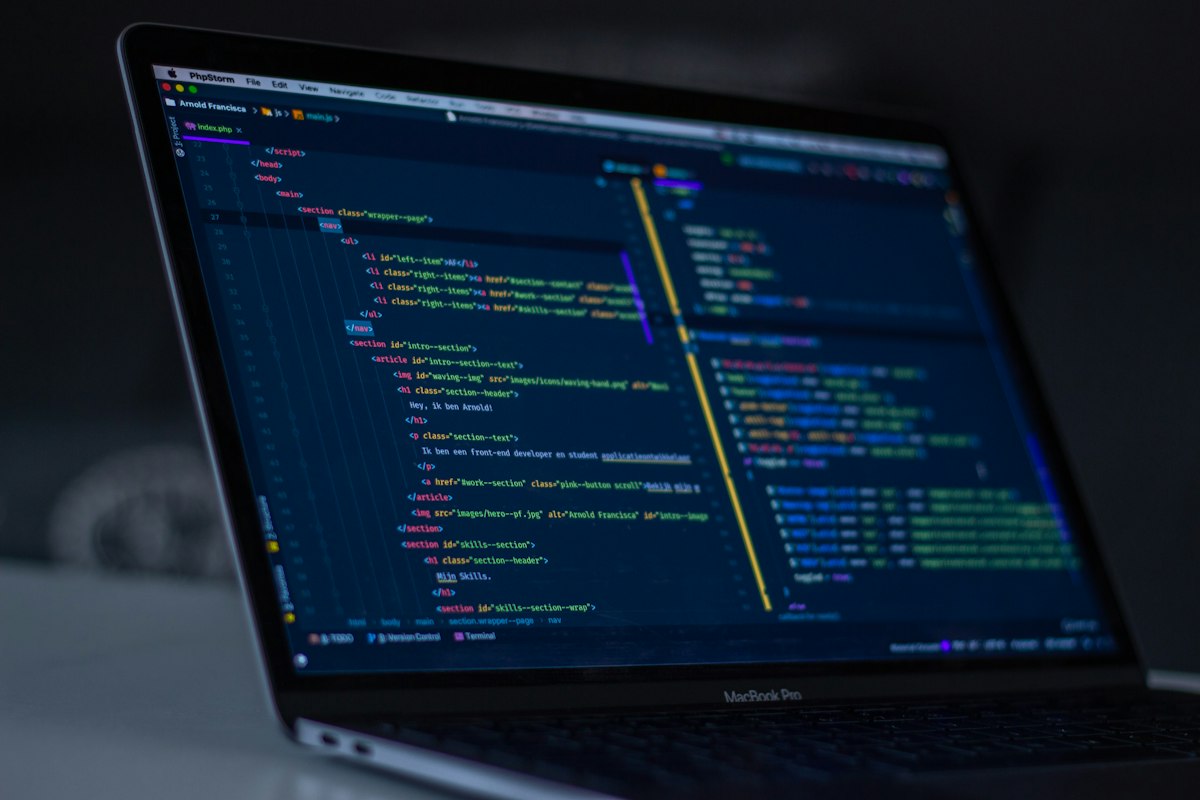
Figma has acquired the team behind a vibe-coding app that converts natural language into working code. The acquisition aims to integrate AI-powered design-to-code capabilities directly into Figma's collaborative platform, potentially automating the handoff between design and development. The features will roll out in beta later this year.
Figma has made its latest move in the AI arms race by acquiring the team behind a popular vibe-coding application, signaling its intent to blur the lines between visual design and software development.
The acquisition, confirmed by Figma on Tuesday, brings on board a small team known for building an AI-powered tool that converts natural language descriptions into working code. The terms of the deal were not disclosed.
"We believe the future of design is deeply intertwined with code," a Figma spokesperson told TechCrunch. "This team shares our vision of making it seamless to go from a visual mockup to a functional application without leaving the design environment."
Vibe-coding platforms have gained traction in recent years, allowing users to describe what they want to build in plain English and have an AI generate the corresponding HTML, CSS, and JavaScript. The acquired team's tool has been particularly popular among designers who want to prototype ideas quickly without writing code by hand.
Figma plans to integrate these capabilities directly into its collaborative design platform, enabling designers to generate production-ready code from their wireframes and prototypes. The feature is expected to roll out in beta later this year.
The acquisition comes as Figma faces growing competition from AI-first design tools and as parent company Adobe continues to push its own generative AI features into Creative Cloud. By acquiring AI talent rather than building from scratch, Figma aims to accelerate its roadmap.
Industry analysts see this as a strategic move that could redefine how designers and developers collaborate. "Figma is essentially betting that the future of design-to-code will be fully automated," said Jane Zhang, an analyst at Creative Strategies. "If they pull this off, they could dramatically reduce the friction between design handoff and engineering implementation."
“If they pull this off, they could dramatically reduce the friction between design handoff and engineering implementation.”
— Jane Zhang, Creative Strategies
Existing Figma users can expect the AI features to be available as an optional plugin initially, with deeper native integration planned for future releases. The company has not announced pricing changes related to the acquisition.
Key Takeaways
- 1 Figma acquired a vibe-coding team to bridge design and development with AI.
- 2 The acquired tool converts natural language descriptions into working code.
- 3 AI-powered design-to-code features will launch in beta later this year.
- 4 The move responds to growing competition from AI-first design tools.
- 5 Analysts believe this could automate the design-to-development handoff process.
Frequently Asked Questions
What is a vibe-coding app?
A vibe-coding app uses AI to convert natural language descriptions into working code, allowing users to prototype ideas quickly without manual coding.
Will the new AI features be free for existing Figma users?
The AI features will initially be available as an optional plugin, with deeper integration planned later. Pricing has not been announced.
Why did Figma make this acquisition?
Figma aims to accelerate its AI roadmap and reduce friction between design handoff and engineering implementation, staying competitive against AI-first design tools.
SOURCES
TOPICS
Stay Ahead with TECHRADAR360
Get the latest tech news delivered to your inbox every morning.