iPhone 18 Pro and Pro Max to Feature A20 2nm Chip and Smaller Dynamic Island
Apple's 2026 flagship iPhones will debut a 2nm A20 Pro chip, under-display Face ID, and variable aperture camera technology.
Aditya Raj
July 6, 2026 · 2 min read
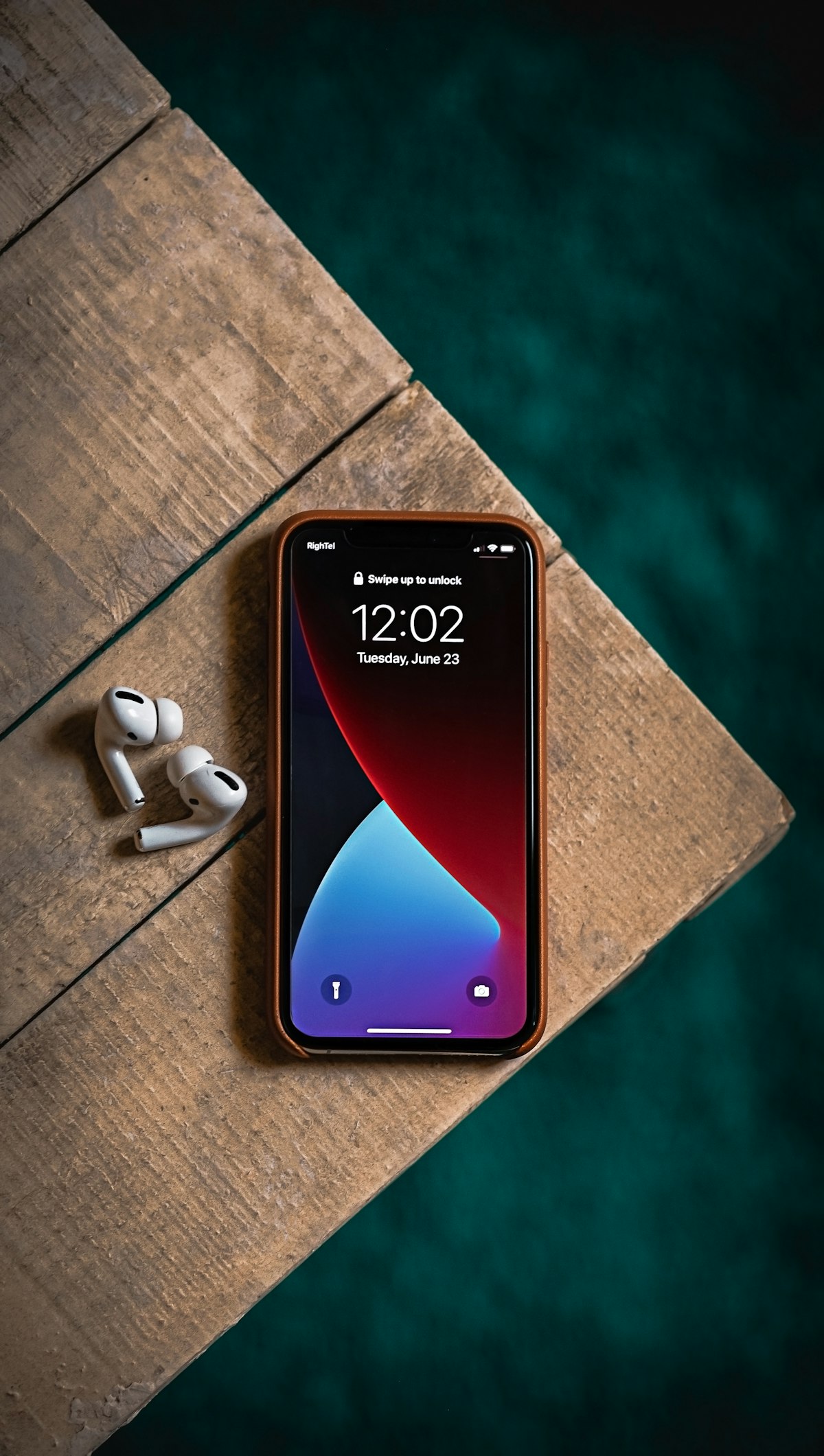
The iPhone 18 Pro and Pro Max will feature a 2nm A20 Pro chip with 25% better performance and 30% improved efficiency. The Dynamic Island is significantly smaller thanks to under-display Face ID. A variable aperture main camera, Wi-Fi 8, and larger battery round out the upgrades. Launch is expected in September 2026.
Apple's next-generation iPhone 18 Pro and iPhone 18 Pro Max, expected to launch this September, will feature a groundbreaking A20 Pro chip built on a 2nm fabrication process, according to supply chain sources and leaked internal documents.
The 2nm node, manufactured by TSMC, represents a significant leap over the 3nm process used in the current A19 chip family. Early benchmarks suggest the A20 Pro delivers up to 25% higher performance and 30% better power efficiency compared to its predecessor.

Perhaps the most visible change is a dramatically smaller Dynamic Island. Apple has moved the Face ID sensor array beneath the display panel, reducing the pill-shaped cutout to a single small dot for the front-facing camera. The change gives users more usable screen real estate while maintaining 3D facial recognition security.
The camera system also receives a major overhaul. The main wide lens now features variable aperture technology, allowing it to switch between f/1.4 and f/2.4 depending on lighting conditions. This should significantly improve low-light photography and give users more creative control over depth of field.
“The 2nm chip represents a generational leap that we haven't seen since the transition to Retina displays.”
— A supply chain analyst quoted by MacRumors
Other rumored features include Wi-Fi 8 support, a satellite messaging upgrade that works in more regions, and a new titanium finish with improved scratch resistance. Battery capacity is expected to increase by approximately 10% thanks to the efficiency gains from the 2nm process and internal design optimizations.
Pricing is expected to remain consistent with the iPhone 17 Pro lineup, starting at $1,099 for the Pro and $1,199 for the Pro Max, though analysts warn that TSMC's 2nm wafer costs could pressure Apple to raise prices by $50-$100.
Information
The A20 Pro chip delivers 25% higher performance and 30% better power efficiency over the A19, according to leaked benchmarks.
Apple is expected to unveil the iPhone 18 series at its traditional September event, with pre-orders beginning the following Friday and shipments starting a week later.
Key Takeaways
- 1 A20 Pro chip built on TSMC's 2nm process offers 25% faster performance and 30% better efficiency.
- 2 Under-display Face ID enables a much smaller Dynamic Island cutout.
- 3 Variable aperture main camera switches between f/1.4 and f/2.4.
- 4 Wi-Fi 8 support, improved satellite messaging, and 10% larger battery expected.
- 5 Prices may rise $50-$100 due to higher 2nm wafer costs.
Frequently Asked Questions
What is the A20 Pro chip and why is it important?
The A20 Pro is Apple's next-generation processor built on a 2nm process by TSMC, offering 25% higher performance and 30% better power efficiency than the current 3nm A19 chip.
How much smaller is the Dynamic Island?
Under-display Face ID reduces the Dynamic Island from a pill-shaped cutout to a single small dot for the front camera, significantly increasing usable screen area.
When will the iPhone 18 Pro launch?
Apple is expected to announce the iPhone 18 series at its September 2026 event, with pre-orders and shipments following the usual schedule.
SOURCES
TOPICS
Stay Ahead with TECHRADAR360
Get the latest tech news delivered to your inbox every morning.
Related Articles

Google's Pixel Event Is Set for August 12 — Pixel 11 and More Expected

Samsung Galaxy Unpacked 2026 Set for July 22 — Z Fold 8 Expected
