

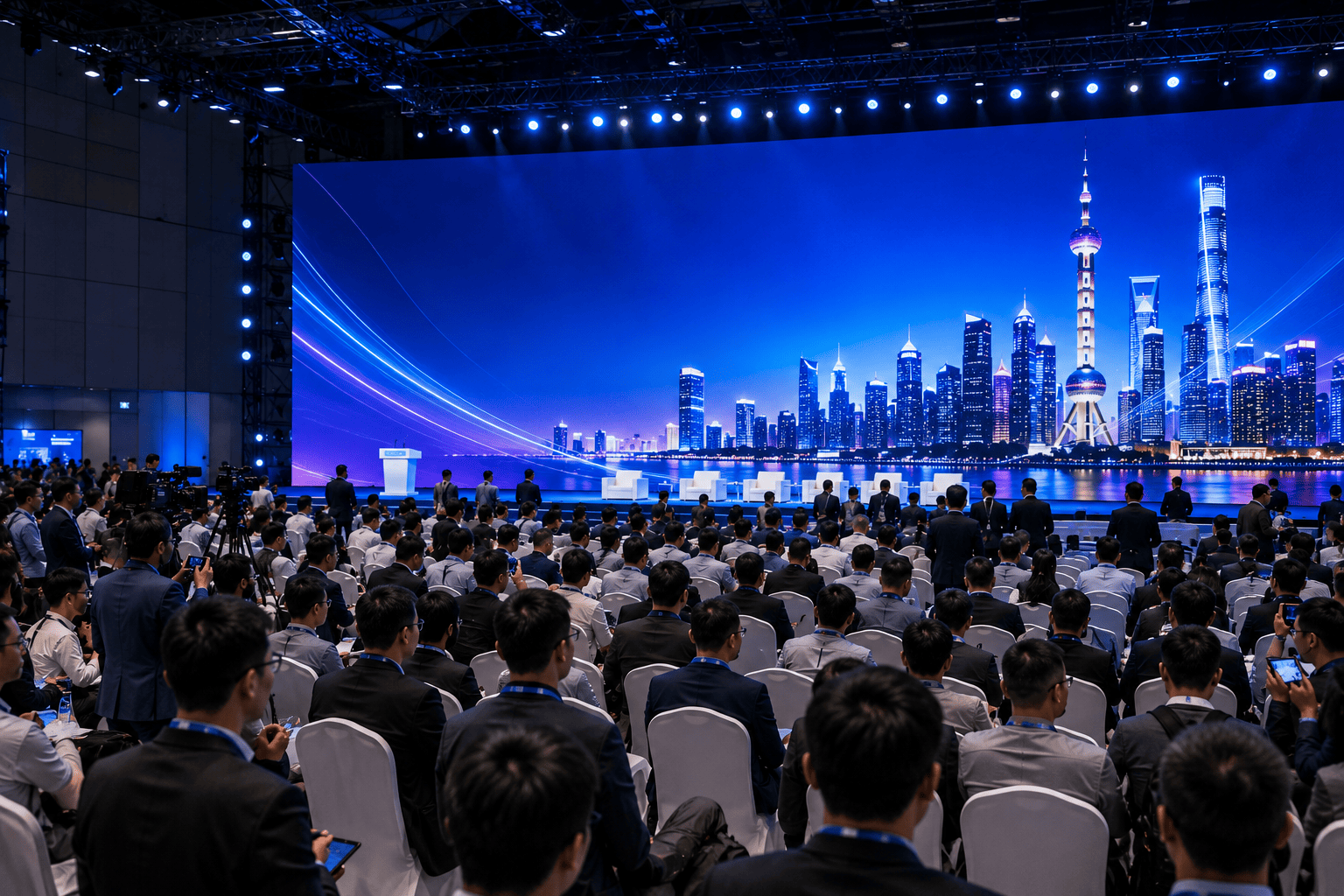

World AI Conference 2026 Concludes in Shanghai: AI Innovation Takes Center Stage
By TechRadar360 Staff
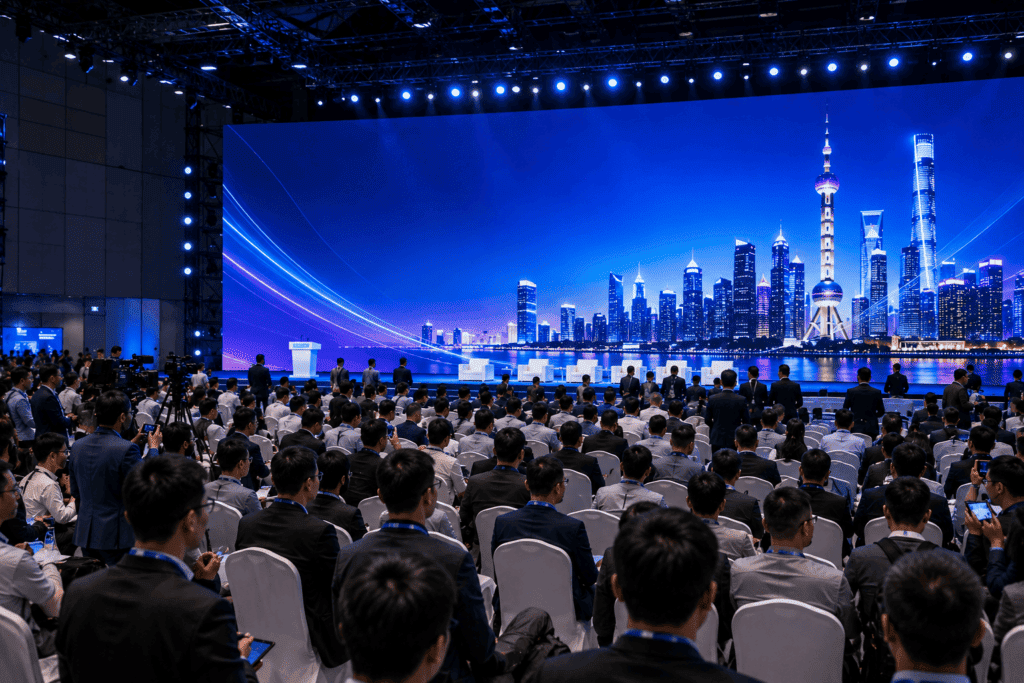
The World Artificial Intelligence Conference (WAIC) 2026 has officially wrapped up in Shanghai, leaving behind a clear message: artificial intelligence is no longer just a technology of the future—it is rapidly becoming the foundation of the global digital economy.
Over several days, government officials, technology leaders, researchers, startups, and investors from around the world gathered to discuss the next generation of AI innovations. From advanced large language models and robotics to AI-powered healthcare and autonomous manufacturing, this year’s conference highlighted how quickly AI is transforming nearly every industry.
With China continuing to invest heavily in artificial intelligence, WAIC 2026 served as both a showcase of technological achievements and a platform for international collaboration.
A Global Gathering of AI Leaders
Held annually in Shanghai, the World AI Conference has become one of the world’s most influential AI events. This year’s edition attracted thousands of attendees, including executives from major technology companies, academic researchers, entrepreneurs, policymakers, and venture capital firms.
The conference featured keynote speeches, panel discussions, live demonstrations, startup showcases, and product launches, giving attendees a comprehensive look at the current state of artificial intelligence.
Topics discussed throughout the event included:
- Generative AI
- Large Language Models (LLMs)
- AI Chips and Computing Infrastructure
- Humanoid Robotics
- Autonomous Driving
- AI in Healthcare
- Industrial Automation
- AI Governance and Safety
- Sustainable AI Development
The diversity of topics reflected how AI has expanded beyond software into manufacturing, transportation, education, finance, and scientific research.
China’s Growing AI Ambitions
One of the biggest themes throughout the conference was China’s commitment to becoming a global leader in artificial intelligence.
Several Chinese technology companies unveiled next-generation AI models designed to compete with leading international systems. Demonstrations showcased improvements in multilingual reasoning, coding assistance, image generation, robotics, and enterprise automation.
Government representatives also emphasized continued investment in AI infrastructure, semiconductor development, cloud computing, and talent development.
China’s AI ecosystem has grown significantly over the past few years, supported by expanding research institutions, startup funding, and industrial adoption.
Generative AI Continues to Dominate Discussions
Generative AI remained the most talked-about technology during the conference.
Developers demonstrated AI assistants capable of writing software, generating videos, creating digital content, analyzing business data, and supporting scientific research.
Many presenters focused on making AI systems more efficient, reducing computational costs while improving reasoning abilities and response accuracy.
Enterprise AI was another major topic, with companies showing how businesses are integrating AI into customer service, finance, logistics, legal research, and manufacturing operations.
Experts agreed that future AI systems will increasingly act as intelligent digital coworkers rather than simple chatbots.
Robotics Takes a Major Leap Forward
Robotics was another highlight of WAIC 2026.
Visitors witnessed demonstrations of humanoid robots performing warehouse operations, healthcare assistance, industrial inspections, and customer service tasks.
Several companies introduced robots capable of improved balance, object recognition, and natural human interaction.
The combination of artificial intelligence and advanced robotics is expected to reshape manufacturing, logistics, elder care, and hospitality over the coming decade.
Industry experts noted that declining hardware costs and better AI models are making commercial robotics more practical than ever before.
AI Infrastructure Remains a Strategic Priority
Behind every advanced AI model is an enormous amount of computing power.
Cloud providers, semiconductor manufacturers, and data center operators used the conference to showcase next-generation AI infrastructure.
New AI processors promised better performance while consuming less energy, helping organizations reduce operational costs as AI workloads continue to grow.
Discussions also focused on expanding global AI infrastructure to meet rising demand for model training and inference.
Efficient hardware has become just as important as software innovation in the race to build smarter AI systems.
Responsible AI and Global Cooperation
While innovation dominated the event, responsible AI development remained an equally important topic.
Researchers and policymakers discussed the importance of transparency, privacy protection, cybersecurity, and ethical AI deployment.
Several sessions explored international cooperation on AI governance, emphasizing the need for common standards that encourage innovation while protecting public interests.
Experts highlighted that balancing technological progress with responsible regulation will remain one of the industry’s biggest challenges.
Startups Capture Investor Attention
The conference also gave emerging AI startups an opportunity to present new technologies to investors and enterprise customers.
Young companies demonstrated solutions in areas including:
- AI-powered medical diagnostics
- Intelligent education platforms
- Financial risk analysis
- Industrial automation
- Smart city management
- Autonomous logistics
- Digital content creation
Many startups announced new funding rounds and strategic partnerships during the event, reflecting continued investor confidence in AI innovation.
Looking Ahead
As the World AI Conference 2026 comes to a close, one message stands out: artificial intelligence is entering a new phase focused on practical deployment, commercial value, and responsible innovation.
Businesses are moving beyond experimentation and integrating AI into everyday operations. Governments are expanding investments in digital infrastructure, while researchers continue pushing the boundaries of what intelligent systems can achieve.
Shanghai once again demonstrated its role as a major global hub for AI research, collaboration, and technological advancement.
Although competition within the AI industry continues to intensify, conferences like WAIC provide an important platform for sharing knowledge, encouraging international dialogue, and accelerating innovation that could shape the future of technology for years to come.
Key Takeaways
- WAIC 2026 concluded successfully in Shanghai.
- Generative AI and large language models dominated discussions.
- Robotics and AI-powered automation received major attention.
- China reaffirmed its long-term commitment to AI leadership.
- Responsible AI development and international cooperation remained central themes.
- AI infrastructure and semiconductor innovation continue to drive future growth.
Disclaimer: This article is based on publicly available information and conference highlights. It is intended for informational purposes only.